
911 Donor Decision Matrix: Match ’69–’98 Generations to Your Restomod Goals
May 19, 2026
Choosing the Right 911 Donor for Your Vision
Choosing the right donor car is the first real fork in the road for any 911 restomod. If you already own an air-cooled 911, that decision is not about which car to buy; it is about what your current car should become. The shape, the sound, the feel of a classic 911 are already there. We are simply deciding how far to refine and reimagine it.
At PRINZIP R, we respect that a 911 is never just a machine. It is an icon, a personal object, often a long-held dream. Our work in Germany is not about replacing a current-generation Porsche. It is about taking an existing air-cooled 911 and turning it into a sharper, more personal driving instrument that fits how you like to drive.
Think of your project as a decision matrix: you match 3 main things so they support each other, not fight each other.
• Generation of your donor, from late 60s to late 90s
• Build philosophy, such as Backdate, OEM Plus, Touring, or Track
• Budget band, from focused refinement to a no-compromise special
When these three are aligned and planned in early summer, you stand a strong chance of enjoying a very different 911 by the next main driving season.
How 911 Generations Shape Your Restomod Potential
Each 911 era has a different character. The metal, the structure, and the technology all set the frame for what is realistic and what makes sense.
Long-hood cars from the late 60s and early 70s are light and pure. They are wonderful for traditional backdates and very focused touring builds. They feel simple in the best way, with little between you and the road. The trade-off is that they are older, often need more bodywork, and many collectors prefer to keep the rarest examples close to factory spec.
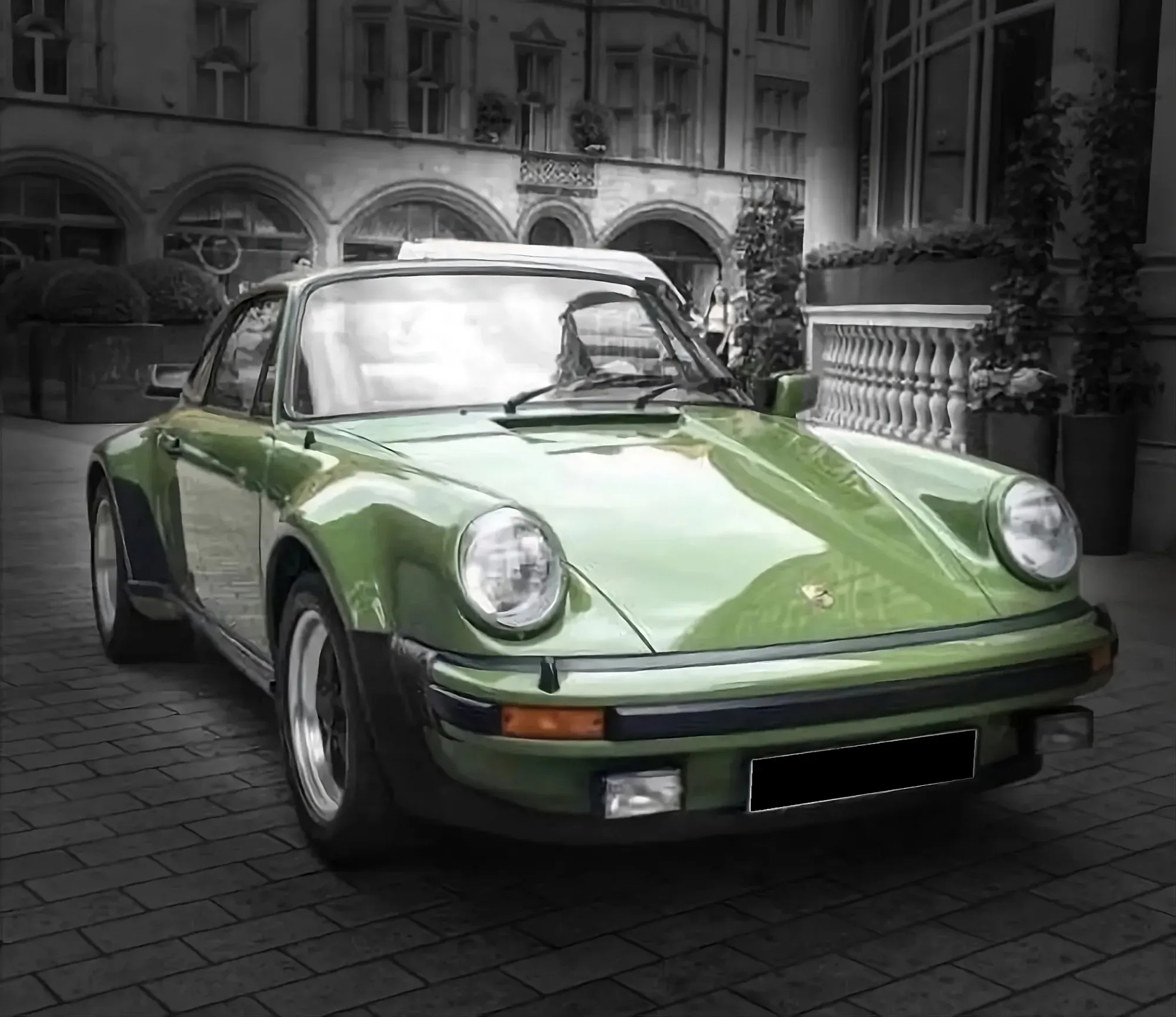
Impact-bumper cars from the mid 70s through the 80s live in the middle ground. They bring more safety and stiffness than early cars and are still mechanical and direct. They are very flexible donors and respond well to both OEM Plus upgrades and classic backdate conversions with earlier styling.
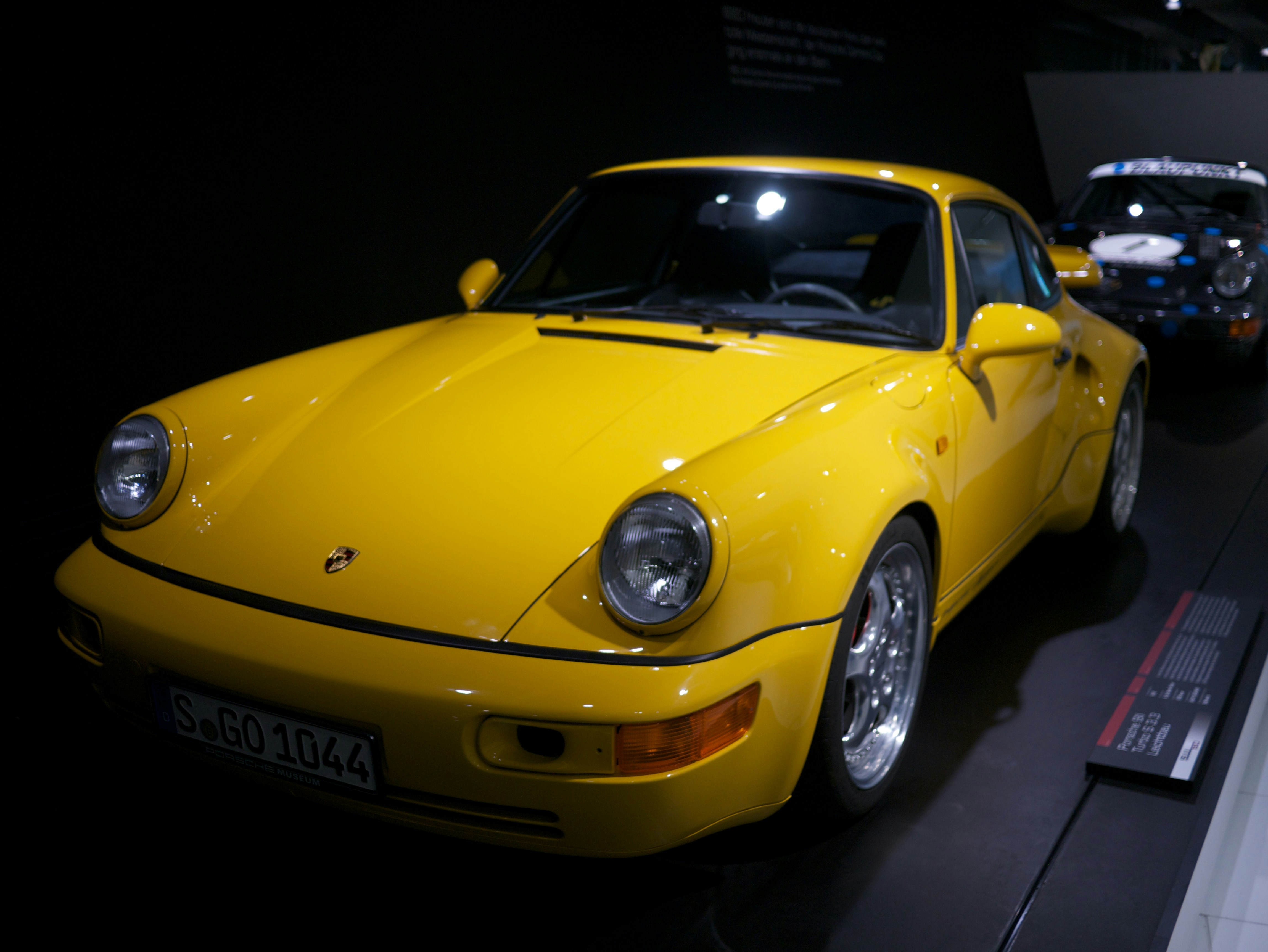
Then come 964 and 993 donors. These bring a modernized chassis, improved suspension layout, ABS, and power steering. They are a strong base if you want a more refined touring character or a serious track-focused concept with high grip and repeatable performance. They keep the air-cooled feel but with a deeper engineering base to build on.
Across all eras, a few structural and technical points matter a lot:
• Chassis rigidity and hidden rust
• Suspension architecture and mounting points
• Existing electronics and how clean the wiring is
• Past accident or repair history
• Originality of engine, gearbox, and body shell
Before we suggest a direction, we start with a thorough review of the donor you already own. We look at provenance, prior work, and how all that matches what you want from the finished car. Sometimes the right answer is to go further, and sometimes the right answer is to show restraint.
Matching Backdate, OEM Plus, Touring, and Track to Each Era
Not every donor fits every concept equally well. Matching style and purpose to generation keeps the car honest and enjoyable.
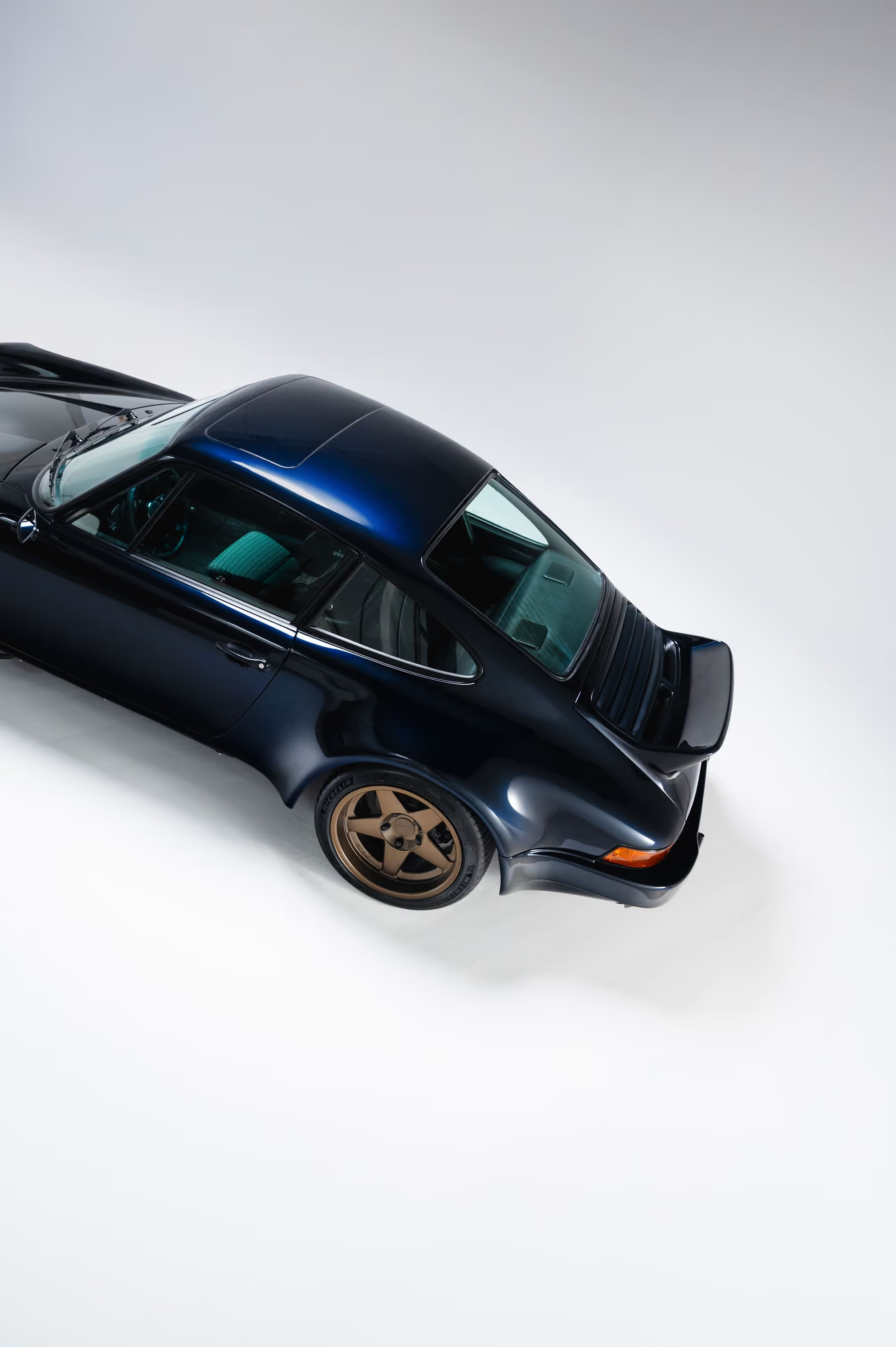
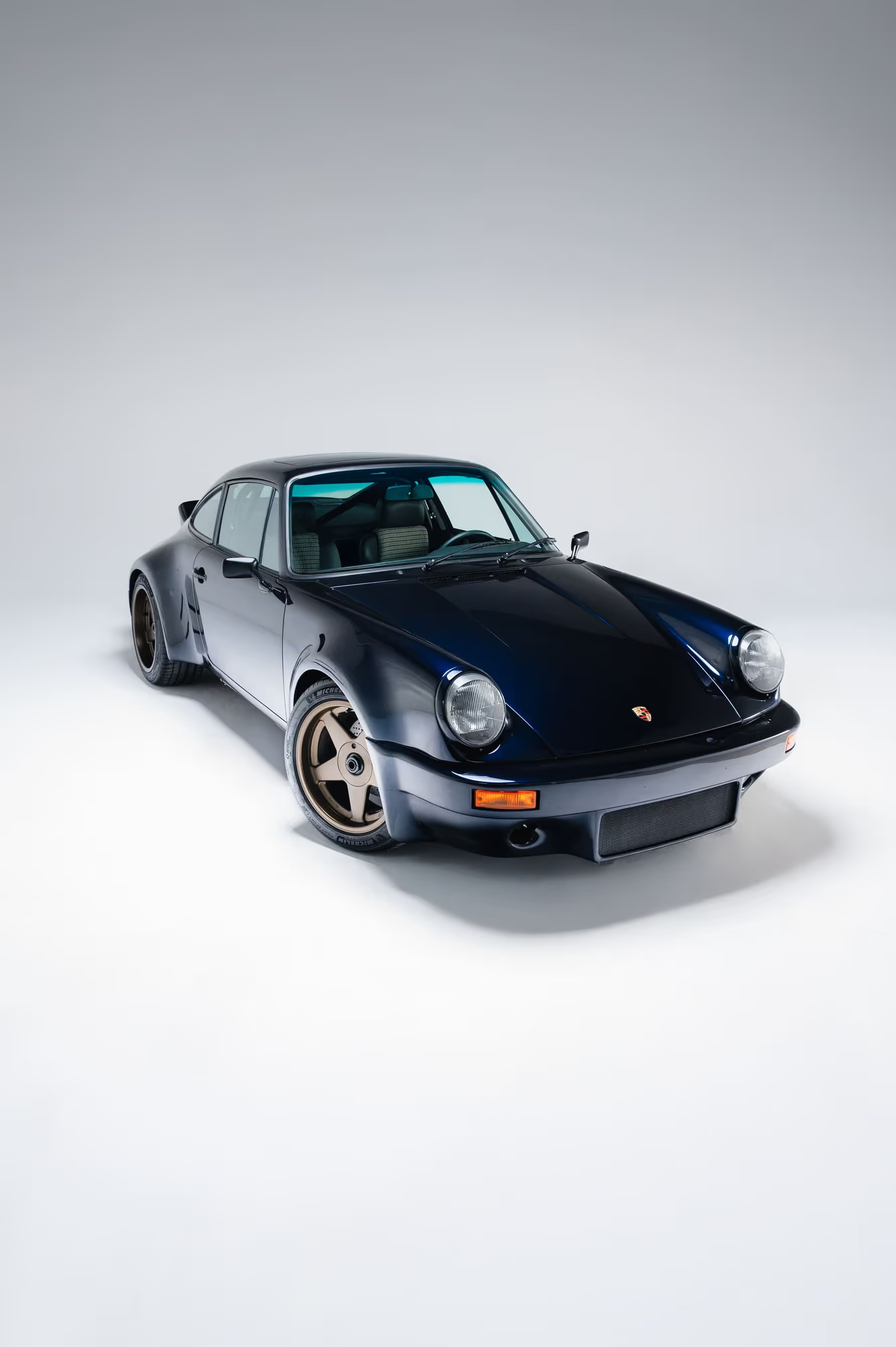
Backdate builds are often best on impact-bumper or 964 donors. With these, we can give the car the visual language of an earlier long-hood while keeping stronger structure and more modern hardware under the skin. This can give you classic looks with better brakes, better suspension pickup points, and stronger drivability. A true long-hood donor can of course become a very pure backdate, but if the car is highly original, heavy changes are sometimes not the most respectful choice.
OEM Plus is a quieter philosophy. The idea is to keep the soul of the car where it sits in the Porsche timeline, but lift every detail that touches driving feel and quality. That often means:
• Suspension tuning and geometry changes
• Stronger brakes and revised cooling
• Interior refinements in materials and ergonomics
• Improved lighting and subtle electrical upgrades
A G-model still looks like a G-model, a 964 still reads as a 964, only sharper, cleaner, more resolved.
Touring versus Track is another key axis. For grand-touring use, with regular Autobahn work, Alpine passes, and mixed weather, 964 and 993 donors are very strong. Their NVH level, HVAC systems, and braking base all suit long-distance comfort and high-speed stability. For a more visceral, club-sport or track-focused character, earlier impact-bumper or even long-hood bases can shine. With careful engineering of weight, cooling, and safety, they make extremely engaging cars for shorter, intense drives and circuit days.
Budget Tiers and When Each Donor Makes Sense
Even when you already own the 911, the condition of the donor is a main driver of the final investment. Rust, past repairs, and tired drivetrains can change how deep we need to go.
It helps to think in broad bands instead of numbers:
• Purist enhancement: A solid impact-bumper or 964 can receive sympathetic OEM Plus work and thoughtful updates while staying close to its original concept.
• Comprehensive reimagining: A 3.2 Carrera, 964, or 993 can support a full backdate or a serious touring concept with reworked body, drivetrain, and interior.
• No-compromise special: For a motorsport-influenced, track-biased or dual-purpose build, we engineer the car as a complete system, from shell to final setup.
Value and long-term stewardship matter. Some donors, especially rare or very original early cars, are often best served by lighter, reversible changes. Others, like a tired but straight 964 shell with average history, are perfect candidates for a deep rethink. The art is to avoid over-building a car whose story wants to remain closer to stock, while being brave enough on cars that are ideal blank canvases.
Seasonal Timing, Project Planning, and Real-World Use
Early summer is a good moment to make clear decisions. The main driving events of spring are fresh in your mind, you know what you enjoyed and what bothered you, and there is enough time for a full build to be completed before the next season.
A serious 911 restomod project moves through several phases:
• Concept and design work along with donor inspection
• Engineering sign-off on chassis, drivetrain, and systems
• Metalwork, body preparation, and paint
• Engine and gearbox build, test bench work
• Interior tailoring and electrical integration
• Final assembly, road testing, and shakedown
In our climate, with cold and often wet winters, it also pays to be honest about where and how you will drive. Long continental touring asks for strong HVAC, good defogging, careful sound insulation, and tire choices that work in mixed conditions. City use may shift focus to clutch feel, cooling fans, and drivability at low speeds. Regular mountain or track work will change gearing, brake spec, aero details, and tire selection, and some generations respond better to these changes than others.
Building Your Personal Donor Decision Matrix
The most useful thing you can do before any tool touches the car is to think in a clear, structured way. Start with the car you already own, its generation and condition. Then add how you truly like to drive, most of the time, not just once a year. Finish with your taste in aesthetics and your tolerance for comfort versus rawness.
Some helpful questions are:
• Does your donor make more sense as a respectful OEM Plus build or as a deep reimagining?
• Are you drawn to early-period cues or do you prefer a later, more technical look?
• Is your main use long touring, weekend B-roads, or regular track days?
• How important are HVAC, noise level, and everyday comfort?
At PRINZIP R, we treat this process like an atelier would, with technical discipline. We walk through inspections, concept sketches, engineering plans, and only then commit to a defined path from current 911 to finished, personal driving instrument. When generation, build philosophy, and budget are aligned in that way, the result feels natural, as if the car always meant to be exactly what it has become.
Get Started With Your Project Today
If you are ready to explore what is possible with a bespoke 911 restomod, we can guide you from first idea to final shakedown. At PRINZIP R, we take the time to understand your driving style, aesthetic preferences, and performance goals so every choice serves a clear purpose. Share your vision and let us translate it into a detailed, realistic plan. Reach out to contact us and start defining the car you have always wanted to drive.
Unsere in Handarbeit optimierten Projekte - Maßgeschneidert auf persönliche Präferenzen
%20(1)%20(1).avif)
.avif)









.jpeg)
.avif)