

Cohesive 911 Restomod Checklist: Exterior, Cabin, Powertrain, Chassis, UX

May 6, 2026
Designing a 911 Restomod That Feels Effortless
A cohesive 911 restomod feels calm, even when it is very fast. Nothing shouts, nothing clashes, everything tells the same story. You walk around the car, sit inside, start the engine, and it all feels like one clear idea carried through with care.
That sense of unity matters more than any single “wow” part. It affects how relaxed you feel after a long day in the Alps, how confident you are on a wet Autobahn, and how much the car still rewards you after thousands of kilometers. To get there, we like to audit a car as one system, not as separate projects for body, cabin, engine, and gadgets.
In late spring and early summer, this becomes very real. Light is harsh, roads are clean, and every mismatch stands out on a mountain pass or at a coastal hotel entrance. This is the perfect time to check if your 911 restomod truly feels effortless from every angle.
Exterior Harmony: Classic Lines, Modern Intent
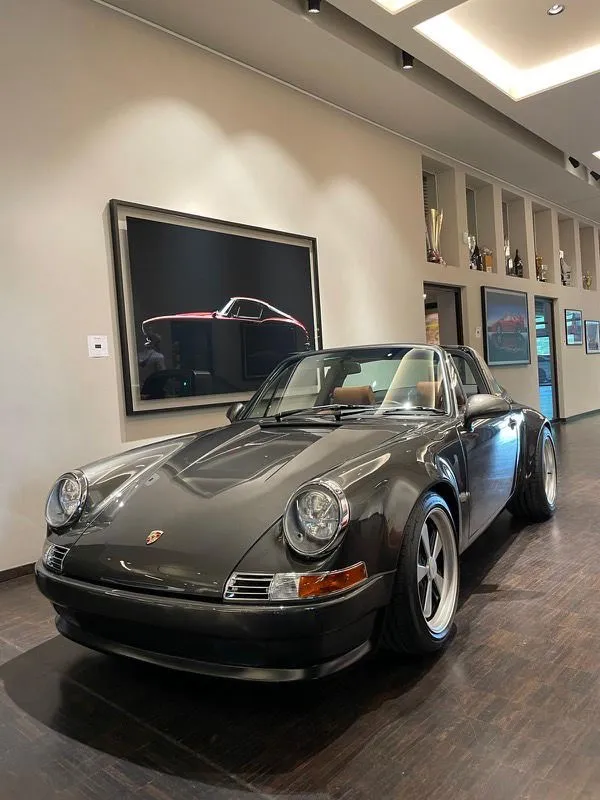
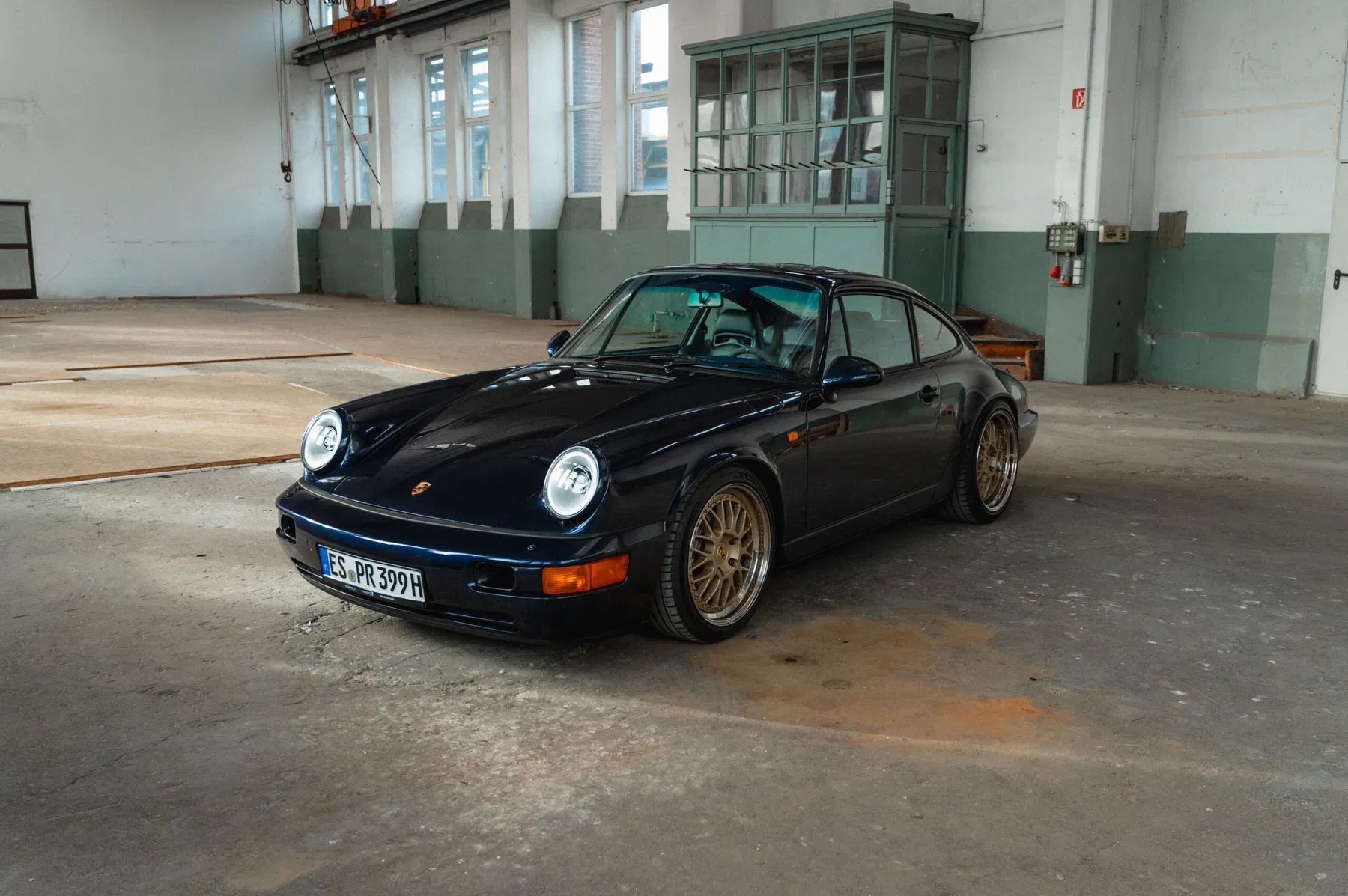
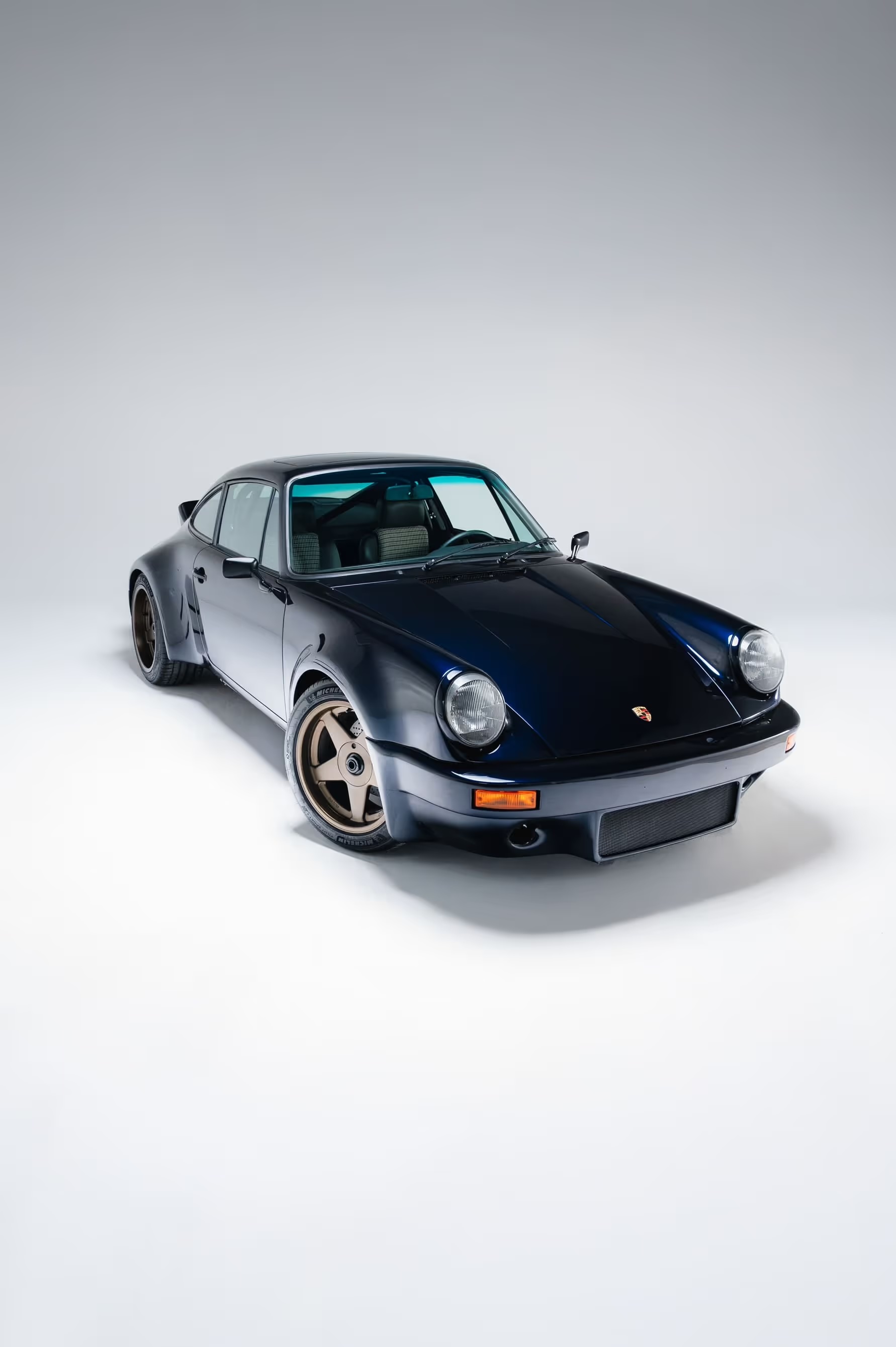
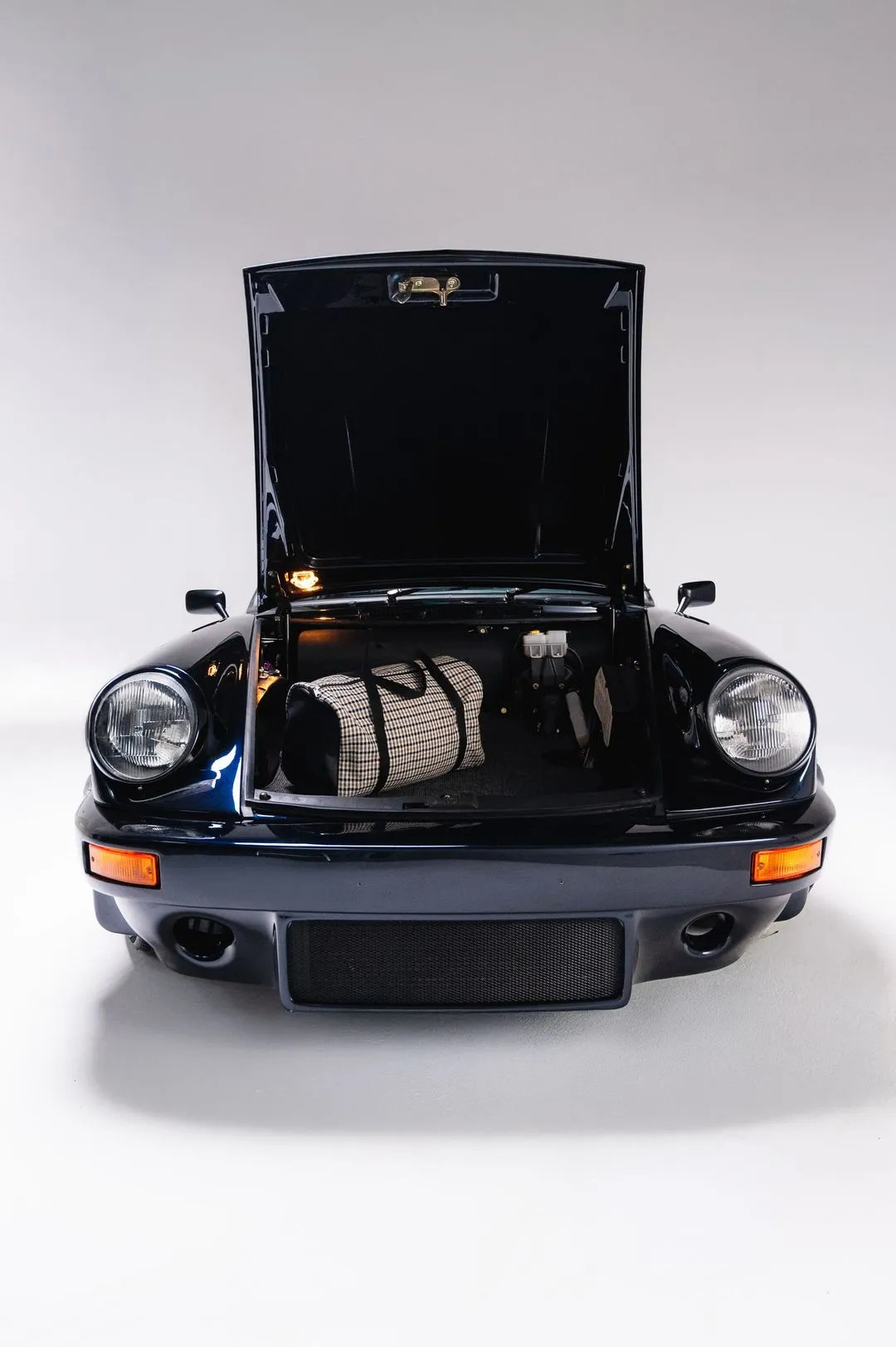
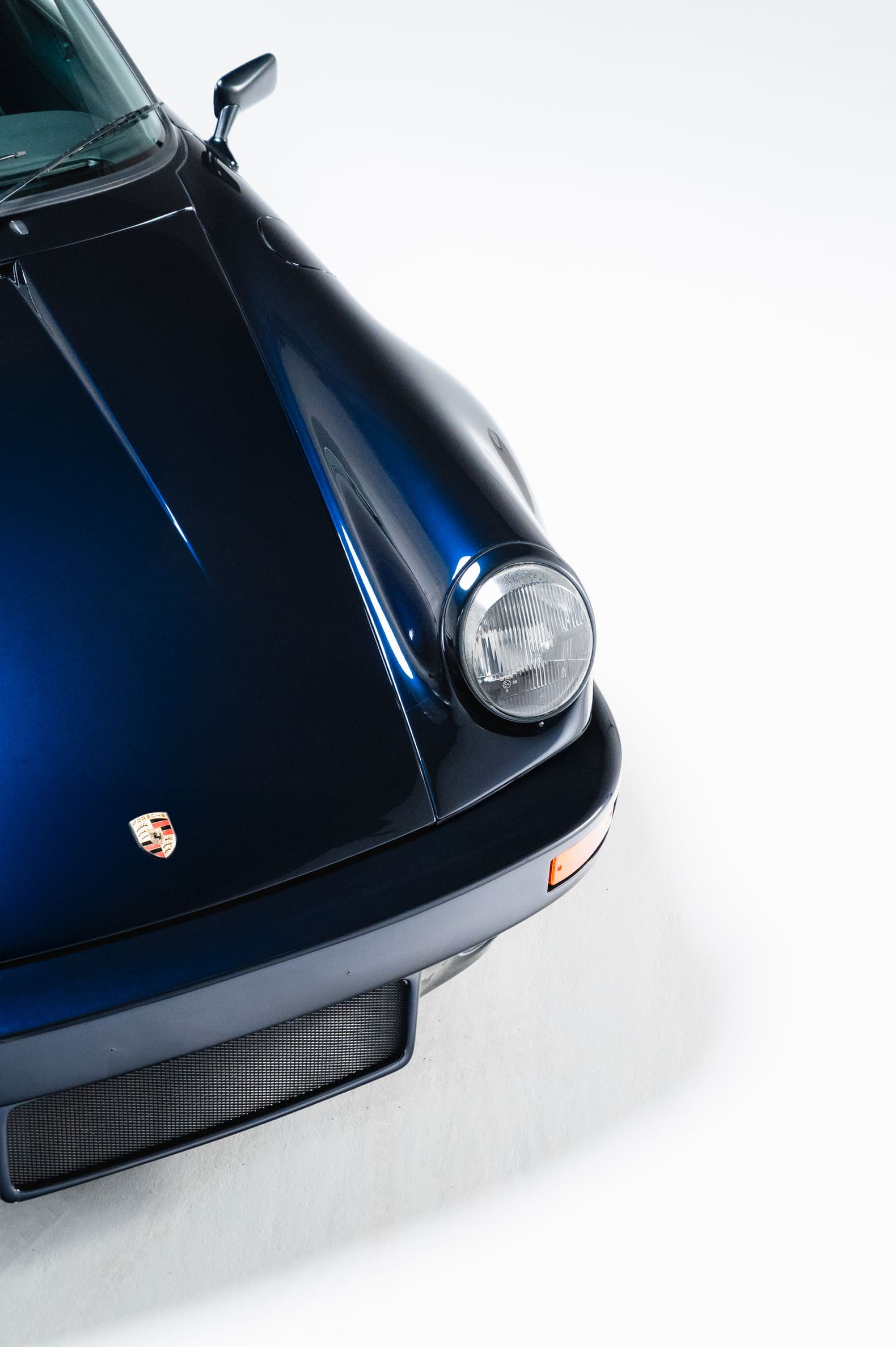
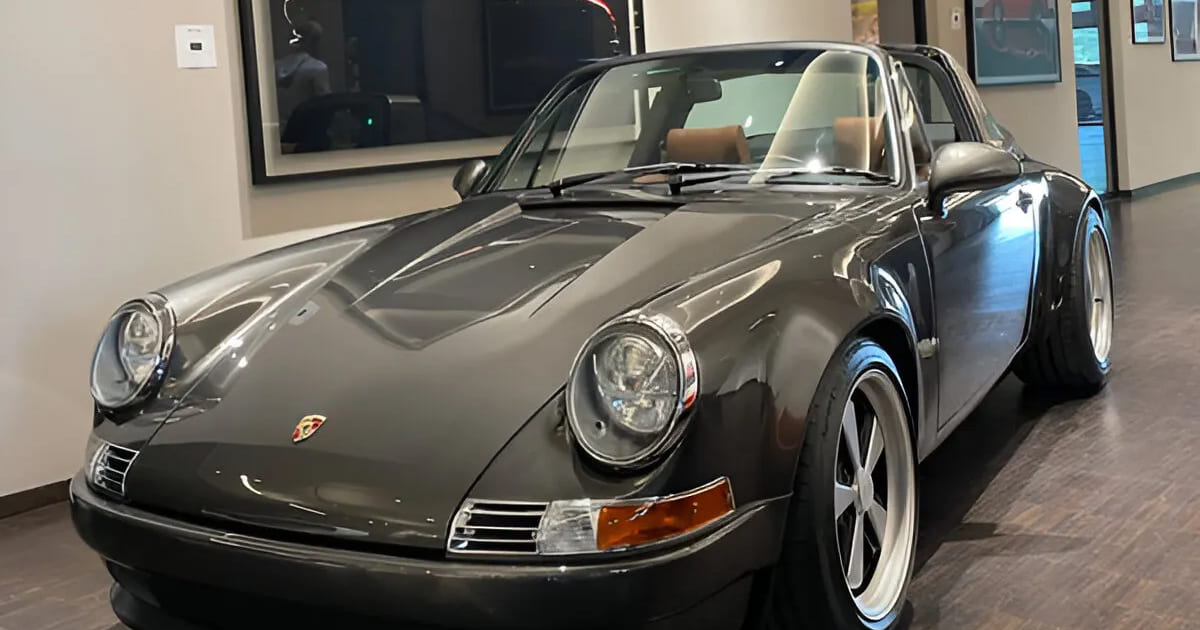
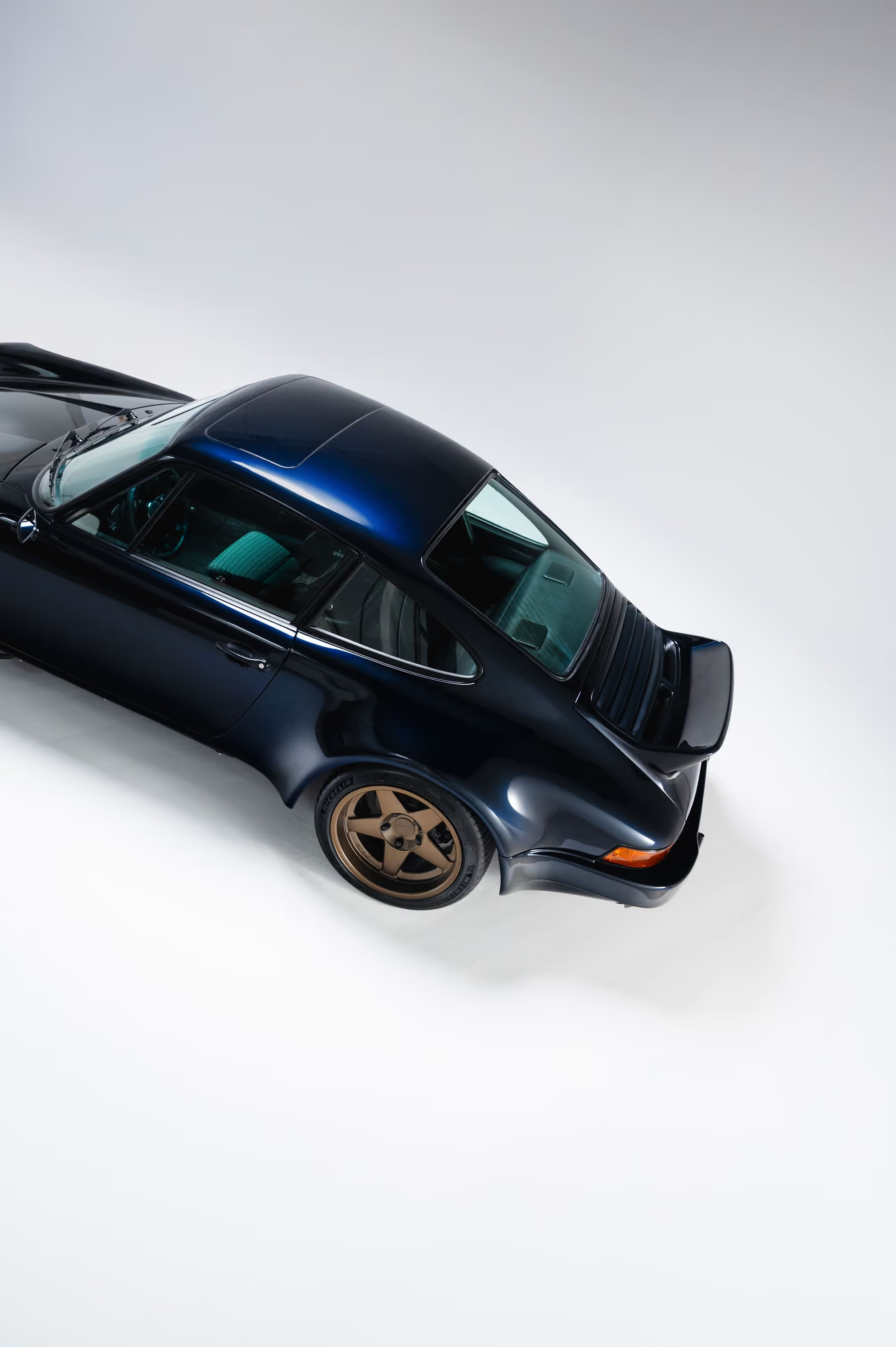
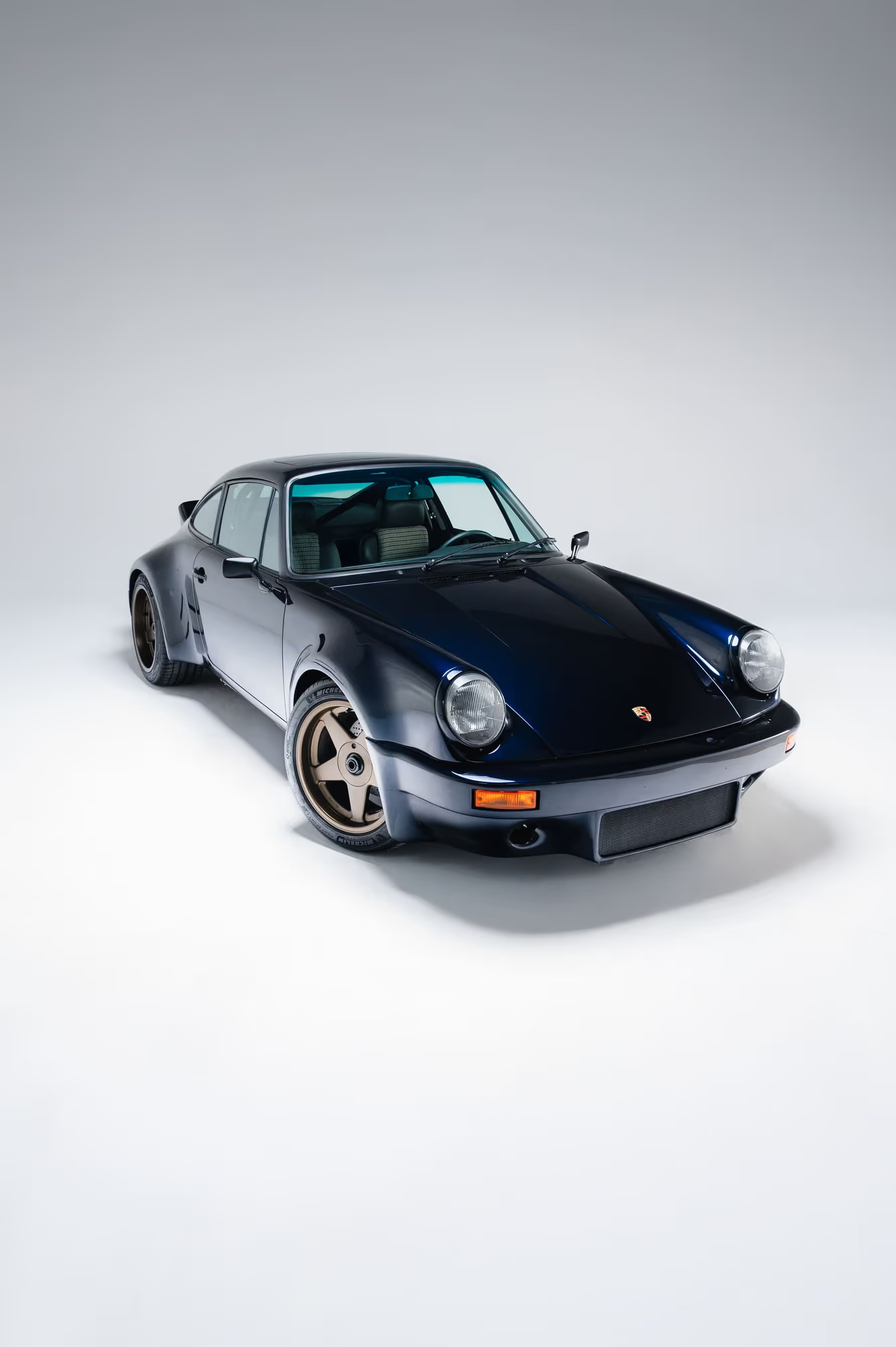
The exterior sets the first impression of coherence. Before we talk about details, we look at proportion. On a backdated 911, stance tells you at once if the car understands its own era.
We ask simple questions:
- Does the ride height suit the visual age of the car?
- Are wheel and tire sizes balanced to the body width?
- Does the track width support performance without looking swollen?
Backdating a later car to an earlier style works best when stance respects those earlier lines, yet still supports modern grip and braking. In our workshop in Germany, we often see cars where the hardware is good, but the visual story is mixed.
Common exterior mismatches:
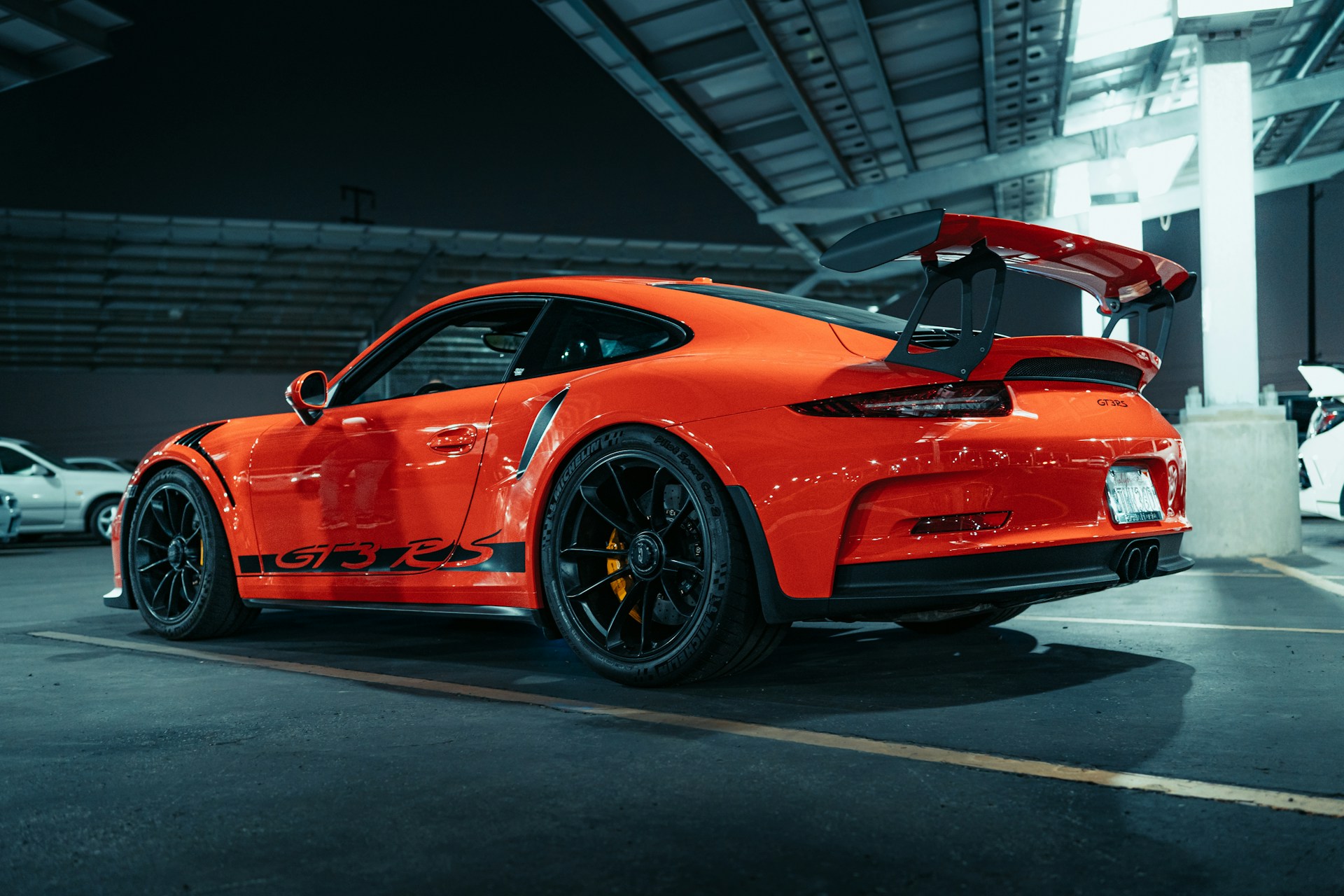
- Track-biased splitters or big wings on a car that is trimmed like a quiet touring spec
- Oversized modern wheels on a narrow-body look, or wild combinations like polished lips, satin bolts, and gloss centers all on one set
- A “parts catalog” feel from mixing too many suppliers and design languages at once
Useful fixes can be surprisingly simple:
- First, choose the era and character: RS-flavored, G-model touring, or a subtle ST tone. Then adjust ride height, track, and wheel design so they all follow that choice.
- Standardize finishes on exterior metal. For example, commit to brushed and anodized for brightwork, with one calm accent color instead of three.
- Reconsider mirrors and lighting. You can keep period-correct shapes but pair them with carefully tuned modern light output for safe night driving, without a harsh modern LED look that breaks the story.
Cabin Cohesion: From First Touch to Final Kilometer
Inside the car, coherence comes from what your eyes and hands feel over time. It is not about how the cabin looks in a photo. It is about how it feels on day three of a road trip.
We focus on:
- Matching grain and tone across leather and fabrics
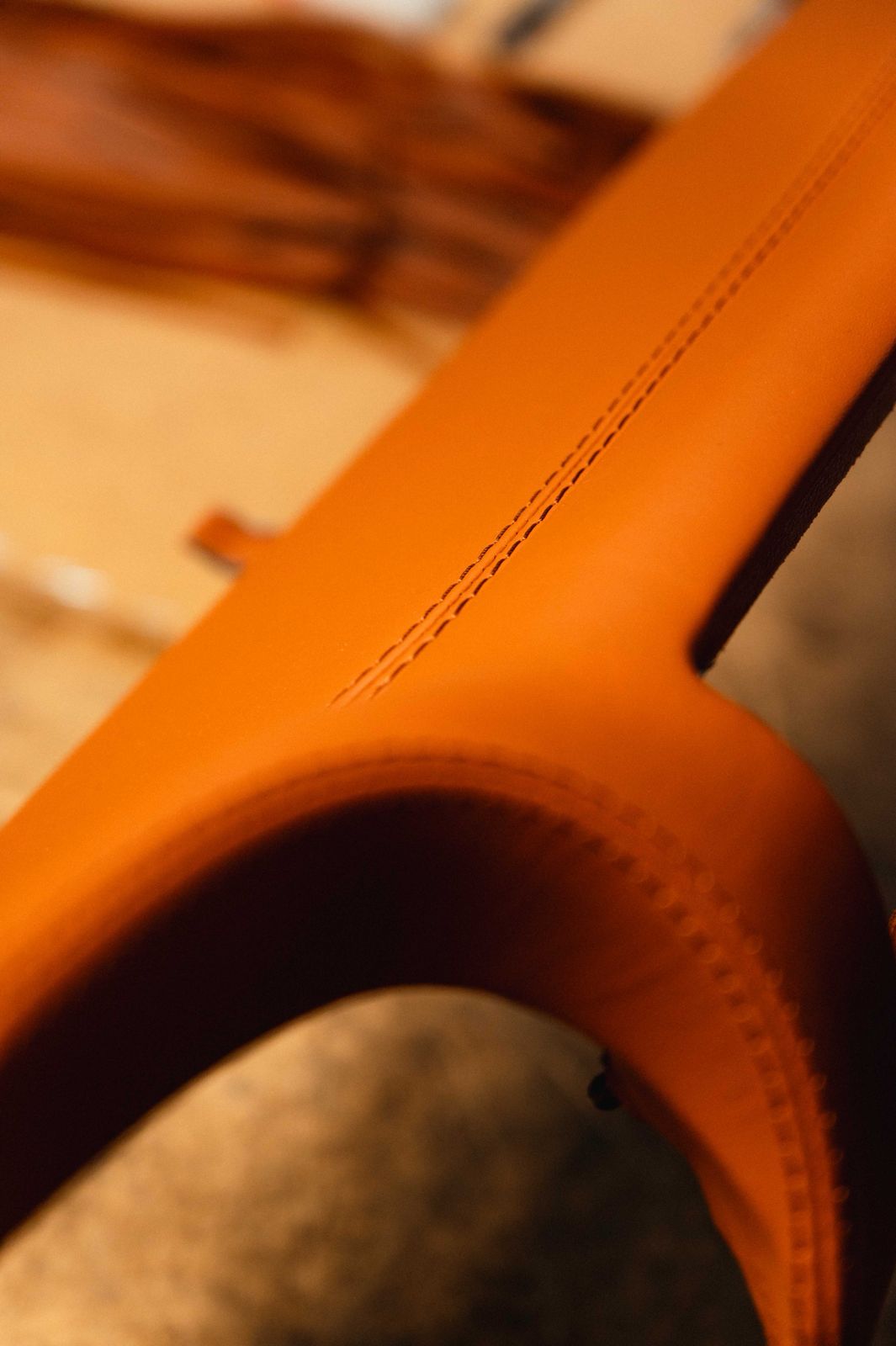
- Consistent stitching style and perforation patterns
- A clear family look between seats, dashboard, and door cards
The “interface hierarchy” matters a lot. The steering wheel, shifter, pedals, main gauges, and the few primary switches should feel like they belong to one product, not a mix of aftermarket pieces.
Typical cabin mismatches:
- A very simple, heritage-style interior paired with a very modern steering wheel or a large touchscreen in the center
- Bold contrast stitching, loud seat patterns, or exposed carbon that fights against an otherwise calm OEM-plus feel
- Period-look gauges with fonts, needle shapes, or backlight colors that do not match the rest of the cabin mood
Practical ways to clean this up:
- Decide on a material language: for example, leather and fabric with very limited Alcantara, or leather with just a few subtle carbon details. Remove items that sit outside that rule.
- Align plastics and metals. Either hide functional plastics and let them disappear, or celebrate metal parts in a period-true way, but do not mix both ideas randomly.
- Create a consistent light signature inside. Gauge color, switch backlighting, and any soft ambient light should share one calm concept that works both on night drives in the rain and on bright summer evenings.
Powertrain and Chassis: Matching Character to Capability
A cohesive 911 restomod feels like one personality from the first turn of the key. To reach that, the car’s purpose has to guide all choices: is it grand touring with reserve power, a fast road car with some track use, or mainly a weekend B-road machine?
Engine, gearbox, and chassis need to support that purpose together:
- Throttle response and torque curve
- Gear ratios and clutch weight
- Steering effort, brake feel, and overall noise and vibration
If any of these sits out of line, the car feels split.
We often see issues like:
- A high-revving, loud engine build paired with a soft, comfort-biased chassis that goes vague when you push on an alpine descent
- Very stiff suspension and aggressive alignment combined with a quiet, plush interior and soft touring tires, so the car feels busy but not actually precise
- Strong brakes with modern calipers, but without matching tire grip or a tuned pedal, which gives an “on/off” sensation rather than progressive control
Helpful corrections before summer trips:
- Revisit geometry, damper tuning, and bushings for the real use case. A car aimed at mountain passes and high-speed touring wants a composed, readable chassis rather than track-day stiffness.
- Match gearbox ratios to where the engine is happiest and to the roads you love. Tight hairpins call for short, clean second and third gears. Long German motorway runs like a taller cruising gear that still lets the engine breathe.
- Bring steering, brake, and throttle effort to the same level. When all three feel equally weighted and equally talkative, the car gives one clear driving impression, which builds confidence.
UX and Technology: Discreetly Modern, Deeply Usable
User experience in a classic 911 is about how the car fits your body and your day, not just about screens or apps. We look at entry and exit, seating position, visibility in rain, how the climate system feels in summer traffic, and how the car talks to you at different speeds.
Technology should quietly support that, not take center stage. It can bring:
- Navigation that stays out of your line of sight
- Audio that sounds rich without visible subwoofers and flashy grilles
- Lighting control and assistance features that respect the car’s age
Common UX mismatches:
- A pure, heritage-style cockpit dominated by bright modern screens, modern fonts, or cold LED strips that feel like a different car
- Very visible audio hardware that breaks a minimalist interior line
- A very stiff clutch or a vague throttle response on a car that is supposed to be a refined Grand Tourer for long European trips
To keep the car discreetly modern:
- Use period-style head units with modern internals, hidden speakers, and carefully tuned LED or halogen lighting that feels warm and appropriate.
- Fine-tune ergonomics. Small changes to seat height, pedal spacing, steering wheel diameter, and mirror placement reduce fatigue on long days between lakes and passes.
- Treat noise and vibration with care. Do not try to erase the air-cooled character, but target the specific droning frequencies that wear you out after several hours.
Your Personalized 911 Restomod Audit
The easiest way to start is to take your 911 for a long weekend drive and treat it like an audit. Bring a small notebook or use your phone and note, without judgment, every small thing that feels out of character.
For each area, ask yourself:
- Exterior: Does the stance, wheels, and trim all tell the same period story?
- Cabin: Do materials, shapes, and lighting feel like one calm idea?
- Powertrain and chassis: Does the character of the engine match how the chassis behaves at your favorite pace?
- UX and tech: Does any modern feature shout at you, or does everything support driving without demanding attention?
A specialist approach looks at the car as one whole, not as a shopping list of upgrades. Small corrections, like aligning finishes and adjusting pedal feel, can bring a surprising sense of integrity. Larger projects can slowly rework exterior, cabin, powertrain, chassis, and UX while still preserving the soul of your own air-cooled 911. At PRINZIP R, we treat that integrity as the real luxury: a backdated 911 that feels quiet in its confidence, ready for the next season of passes, coasts, and quiet early-morning starts.
Get Started With Your Dream 911 Restomod Today
If you are ready to build a unique Porsche that respects the original character while adding modern performance and comfort, we are here to help plan every detail with you. Explore what is possible with a 911 restomod crafted by PRINZIP R and see how we approach OEM-plus builds with precision. Tell us about your goals, preferences, and driving style so we can shape a concept tailored to you. When you are ready to move forward, simply contact us to start your project.
Unsere in Handarbeit optimierten Projekte - Maßgeschneidert auf persönliche Präferenzen
%20(1)%20(1).avif)
.avif)









.jpeg)
.avif)