

How to Plan a Custom Porsche 911 Build: From Idea to Final Drive

March 31, 2026
The best way to plan a custom 911 build from start to finish is to treat it as a structured project, not an open-ended dream. At PRINZIP R in Germany, we work with a clear five-phase roadmap that takes you from first idea to your first long drive with confidence around cost, timing, and outcome.
Phase 1 is where you define vision and use case, usually over 2 to 4 weeks. You decide whether you want a backdated look, an OEM-plus concept, or a period-correct restoration, and whether the car will live as a daily driver, a weekend companion, a grand tourer, or a track-focused special. Phase 2 is selecting the right builder and securing a build slot, typically in 2 to 6 weeks, including a structured proposal and payment plan.
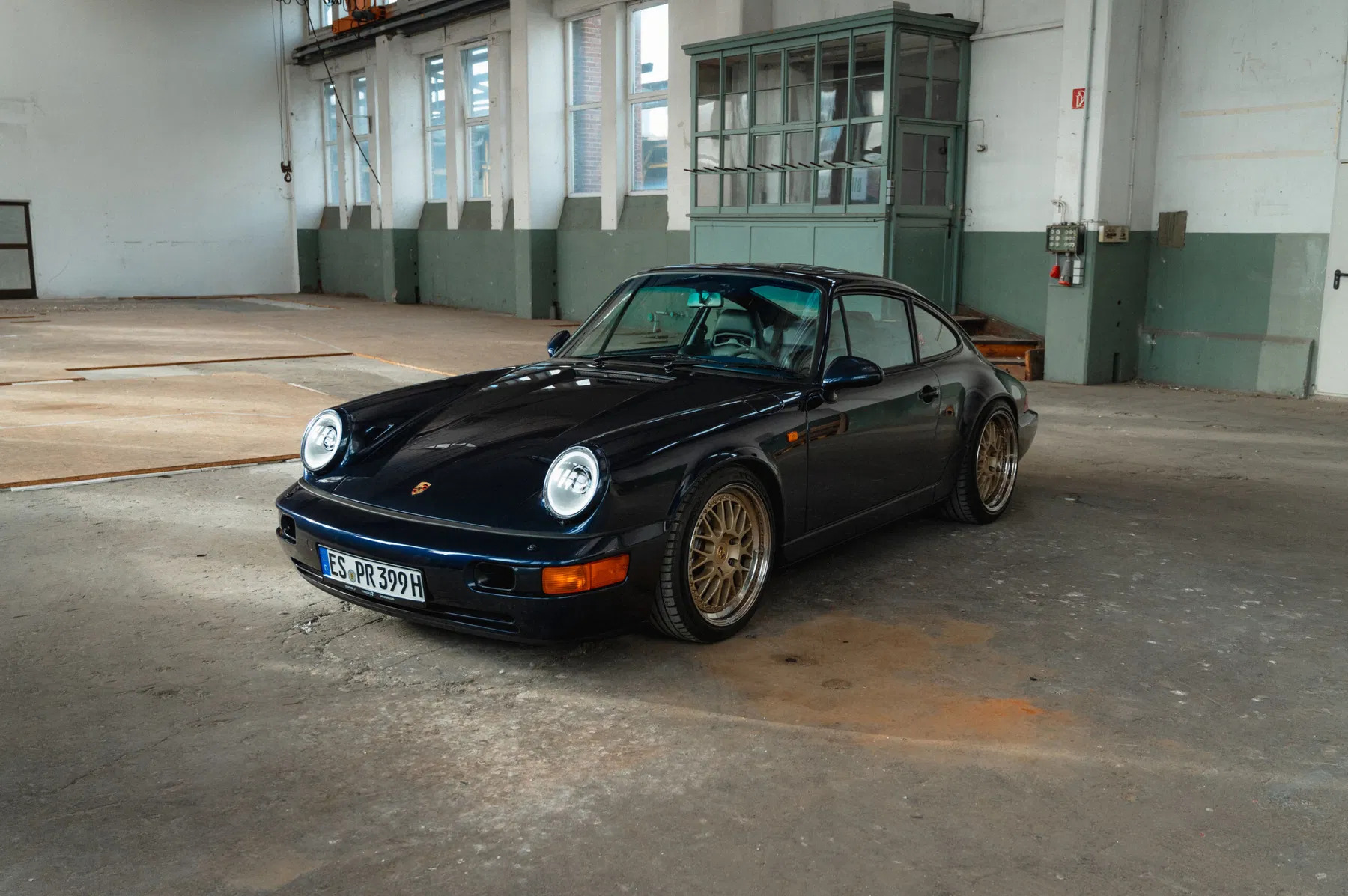
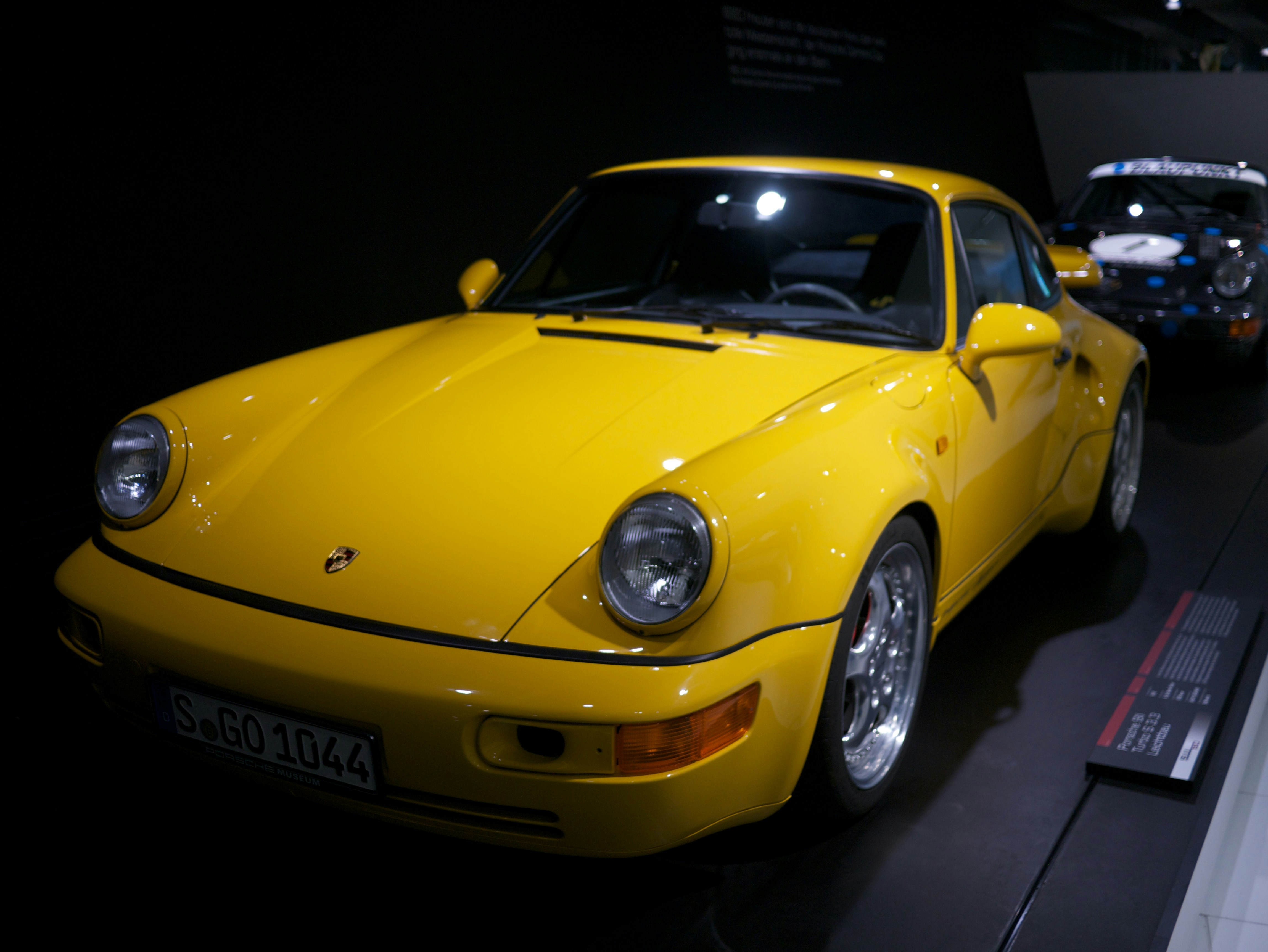
Phase 3 centers on sourcing and approving a donor Porsche 911. For air-cooled cars, this often means a 964 donor at about EUR 40k to 80k or a G-Model at about EUR 50k to 90k. At PRINZIP R, we can usually find suitable donors within 5 working days. Phase 4 covers the actual build and refinement, from bare shell to completed car. Expect 6 to 9 months for a focused project and 12 to 15 months for a full, ground-up transformation. Phase 5 is testing, shakedown, and worldwide delivery, generally 2 to 6 weeks. Overall, you should plan on a project budget around EUR 110k to 300k+ depending on scope and specification. We always work with existing air-cooled 911 donor cars, reimagining and improving them, and never position this work as a replacement for new Porsche models.
How Do I Start Planning a Custom 911 Build?
A successful custom 911 starts with clarity. Before you look at donor cars or builders, get specific about what you want the car to be.
First, choose your core philosophy:
- Backdate, classic look on a later chassis with modern performance and reliability
- OEM-plus, subtle, factory-feeling improvements that could almost have come from Stuttgart
- Period-correct restoration, faithful to a specific era, spec, or motorsport reference
Next, define how you will actually use the car:
- Daily driver, comfort, weather protection, and reliability prioritized
- Weekend car, emotional, characterful, still friendly in traffic
- Grand touring, refined, quiet enough for long distances, strong midrange torque
- Track-focused special, firmer chassis, more aggressive engine, stripped interior if desired
These early decisions shape nearly everything that follows, from the mechanical feel to the cabin environment. In practice, they determine chassis setup (spring and damper choice, bushings, alignment), engine character (displacement, cams, induction, and exhaust note), and interior comfort and NVH (seat design, sound insulation, HVAC, audio).
Be honest about budget and timing. As a rough guide:
- Around EUR 110k typically allows for a solid donor, thoughtful upgrades, and a focused concept
- Around EUR 180k opens up more extensive metal work, higher-spec engine builds, and bespoke trim
- Around EUR 300k+ is where highly individualized, ground-up reimaginings live
Timing follows scope. A full, handcrafted restomod often takes 12 to 15 months, as the shell, drivetrain, and interior are all addressed in depth, while a 6 to 9 month project is realistic when the scope is tighter and the donor is strong.
We recommend capturing your ideas in a one-page “project” brief that covers:
- Exterior color and accents, stance, wheels, and tires
- Interior style, materials, seats, steering wheel, gauges
- Power, engine character, gearbox type, and gearing
- Comfort and tech, HVAC, audio, lighting, safety
At PRINZIP R, our first consultation revolves around this informal brief. We refine it together with reference images, period literature, motorsport inspiration, and well-known builds from specialists such as Singer and our own workshop, translating a mood into a clear technical specification.
How Do I Choose the Right Builder?
Choosing the workshop that will touch every part of your 911 is the most important decision after defining your vision.
Look closely at craftsmanship and technical depth:
- Bodywork: are panels metal-finished or heavily filled; how is rust repaired and documented?
- Panel fit: door gaps, hood and decklid alignment, repeatable quality from car to car
- Engine management: modern ECU integration or period systems, wiring quality, diagnostics
- In-progress cars, not just glossy photos of finished projects
Before you commit, it helps to treat selection like procurement: you want clarity, accountability, and a process that stands up under time and budget pressure. Use a structured checklist before you sign:
- Clear timeline, written project plan, and realistic capacity
- Payment structure, deposit, donor phase payment, milestone-based payments for defined stages
- Change-order process, how any upgrades or scope changes are costed and documented
- Warranty terms, what is covered, duration, and how issues are addressed globally
- Documentation, photo logs, build books, parts lists, test reports
- Client references, ideally including in-person inspections or test drives
Be alert for red flags:
- Vague pricing without a written specification
- Overly optimistic timelines that significantly undercut serious workshops
- Lack of proper insurance or refusal to show the facility
- No written contract, or unclear ownership and branding matters around your custom 911
At PRINZIP R, we favor a structured, German workshop approach, with documented stages and clear responsibilities, in contrast to more casual operations that may depend heavily on verbal promises.
How Do I Find the Right Donor Car?
For air-cooled projects, the donor is your foundation. Most custom 911 builds we see center on 964 or G-Model cars.
Key differences:
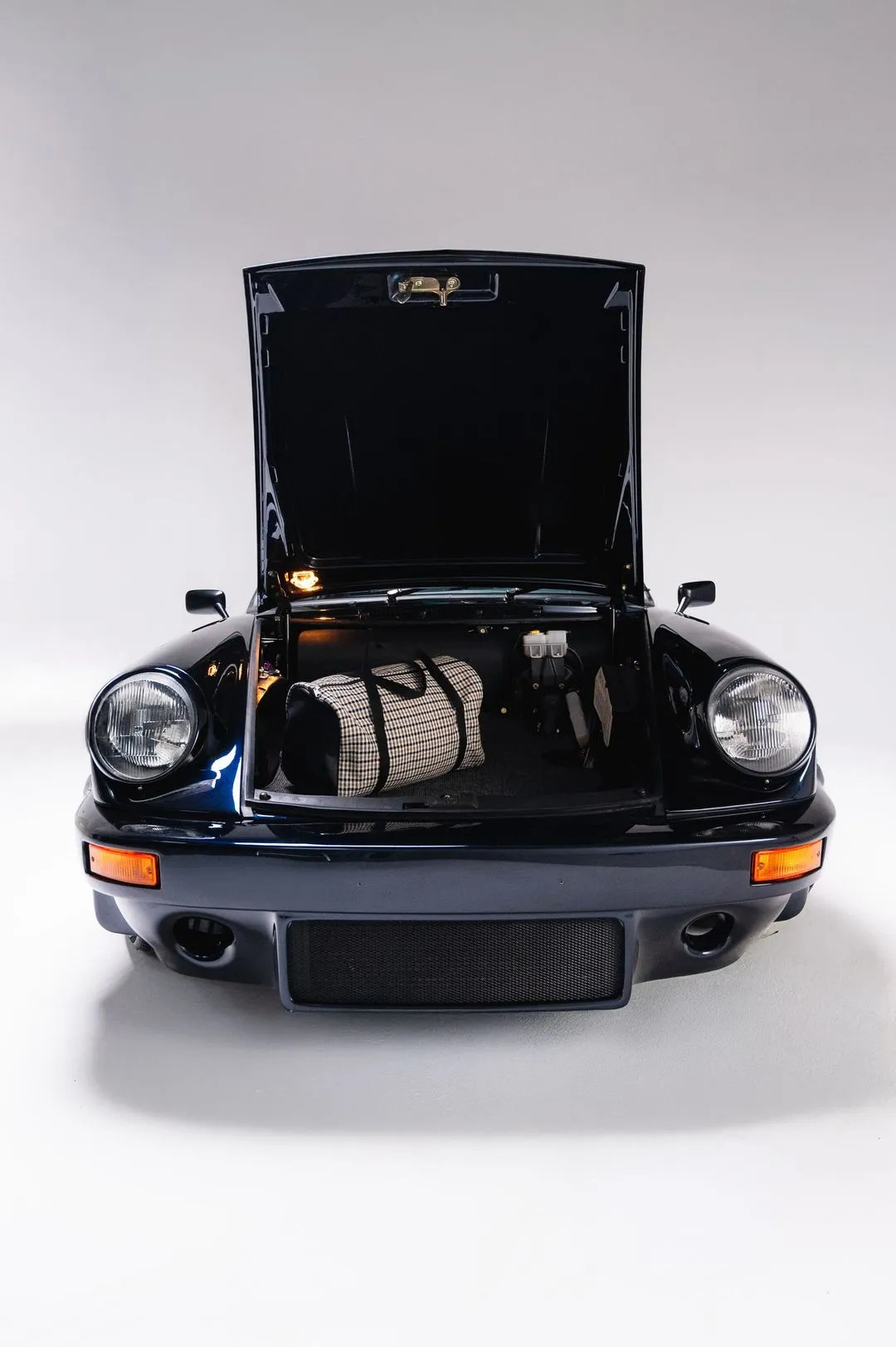
- 964, more modern-feeling base, coil springs, ABS, power steering, a great platform for OEM-plus or high-performance concepts
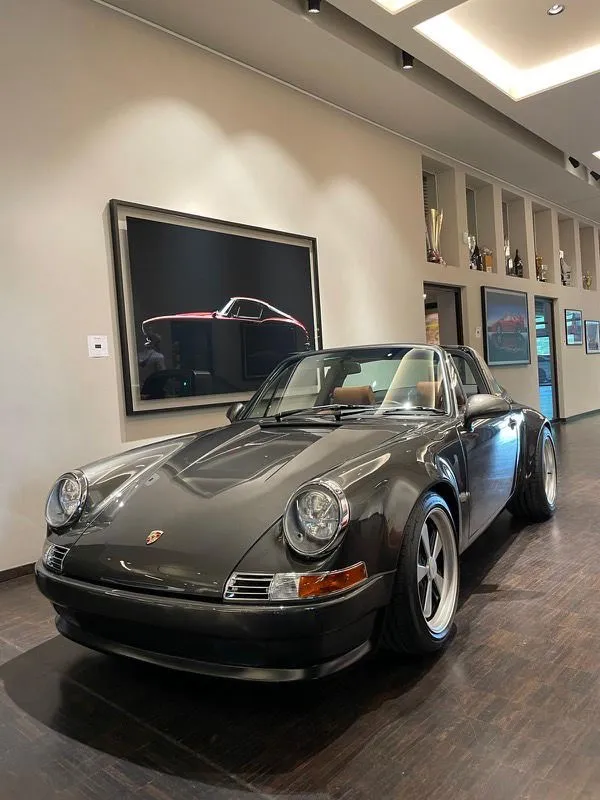
- G-Model, more classic and analog feel, ideal for traditional or motorsport-inspired backdates
Typical European market budgets:
- 964 donor, around EUR 40k to 80k depending on condition and configuration
- G-Model donor, around EUR 50k to 90k, with large variation based on rust and history
Match donor to concept:
- Backdate builds, often better on a G-Model, sometimes on 964 if you want later underpinnings with earlier aesthetics
- OEM-plus and subtle modern road cars, commonly based on 964
- Period-correct, usually tailored to the specific era you love
Because the donor sets both technical direction and financial reality, a serious pre-purchase inspection is non-negotiable:
- Engine and gearbox, compression and leakdown, oil leaks, oil analysis if available
- Chassis, straightness, geometry, accident history, suspension pickup points
- Rust and body, floors, sills, inner wings, window surrounds, battery areas, previous repairs
- Paperwork, VIN consistency, registration, service records, and any existing modifications
We have our own internal donor PPI process at PRINZIP R and, where possible, we recommend letting the builder source the donor within an agreed brief and price corridor. This avoids emotional, sight-unseen purchases that later explode the budget. We typically locate suitable donors within about 5 working days, then present photos, an inspection report, and a revised project budget for your approval before purchase.
What Does the Build Process Look Like Step by Step?
Once the donor is secured, the real transformation begins.
First comes stripdown and assessment:
- Complete teardown to a bare shell
- Cataloging each component for reuse, refurbishment, or replacement
- Identifying hidden rust, accident damage, and previous repairs
- Finalizing the technical and aesthetic specification now that the naked car is visible
From there, the work progresses through clearly defined, milestone-based stages that keep the project predictable and make quality control easier. We then work through milestone-based stages:
- Bodywork and paint, metal repairs, panel alignment, seam sealing, primer, paint, and underbody protection
- Powertrain and chassis, engine rebuild or upgrade, gearbox, differential, brakes, suspension, steering, bushings
- Electrical and interior, wiring loom, ECU, gauges, lighting, HVAC, upholstery, trim pieces
- Assembly, careful reinstallation, new hardware, and the small details that define a high-end build
Typical timing is 6 to 9 months for a focused concept on a sound donor, and 12 to 15 months for a full ground-up custom 911 with extensive metal work, drivetrain reengineering, and bespoke interior.
Managing changes and communication is essential with high-value projects, because small specification decisions (finishes, routing, insulation, cooling strategies, wiring approaches) compound into reliability and serviceability for years. At PRINZIP R, we prefer:
- Regular photo updates and occasional video calls at defined milestones
- Clear decision points for colors, trims, and specification details
- Written change orders that outline cost and timing effects before new work begins
- A shared build log so both sides can see progress, key decisions, and invoices in one place
Thoughtful choices here, from material selection to cooling and wiring strategies, are central to long-term reliability and easy serviceability anywhere in the world.
How Are Payments Structured?
For a serious custom 911, the payment structure should protect both you and the workshop, while aligning with build milestones.
A common framework, and the one we follow at PRINZIP R, looks like this:
- Initial deposit to secure your build slot and cover the concept and planning phase
- Donor phase payment, once the suitable donor is identified, inspected, and approved
- Milestone 1 payment, after stripdown and bare shell assessment, when the final specification and revised budget are signed off
- Milestone 2 payment, on completion of bodywork and paint, with the car ready for mechanical assembly
- Milestone 3 payment, when powertrain, chassis, and interior are installed and the car moves into testing and shakedown
- Final balance, on acceptance after testing, handover inspection, and delivery planning
This structure ensures you pay for real, visible progress and that the builder maintains the cash flow needed for high-quality parts, specialist labor, and thorough testing.
In the last phase, testing and shakedown, we focus on:
- Systems checks, fluid cycling, fastener torque checks
- Road testing under different loads, speeds, and conditions to reveal any issues
- Chassis setup, alignment, corner-weighting, and ECU calibration where used
You should receive a detailed documentation package including:
- Before and after records of the car
- Parts lists and specifications
- Paint codes and interior material references
- Service recommendations and running-in guidance
For worldwide clients, enclosed transport or personal collection can be arranged. We see our work as part of the wider tradition of high-end Porsche 911 reimagination, alongside respected names such as Singer, always starting from an existing air-cooled donor and treating the original marque with care. A thoughtful, phased plan is what turns a custom 911 from a vague wish into a predictable, satisfying reality.
Get Started With Your Project Today
If you are ready to shape a vision that reflects your driving style, we are here at PRINZIP R to guide every step. Tell us how you imagine your custom 911, and we will translate that into a clear, tailored build plan. Our team will walk you through options, timelines, and next steps so you know exactly what to expect. If you have specific questions before diving in, you can also contact us to talk through the details.
Handcrafted builds - specified to your personal preferences
%20(1)%20(1).avif)
.avif)





.jpeg)




.jpeg)
.avif)